
The Public Charge Rule Was Rescinded: What That Actually Changes
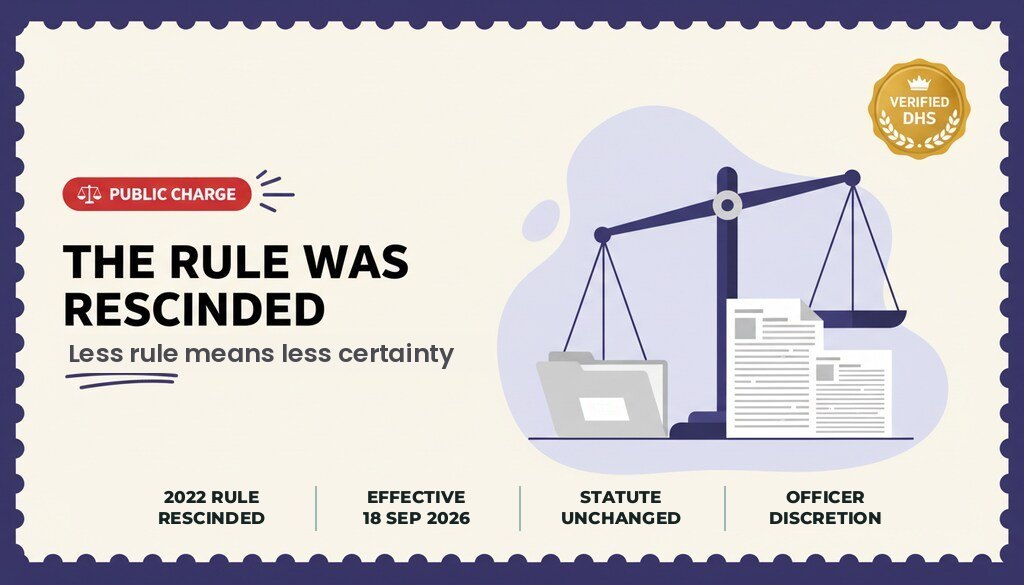
DHS rescinded the 2022 public charge regulations in September 2026. But rescinding a rule is not the same as removing a test — the statutory ground remains, and what returns is officer discretion.
In this guide (6 sections)
If you are heading toward a green card, "public charge" is a phrase you will meet on Form I-485 and probably worry about. The rules around it changed in September 2026, and the change is easy to misread in both directions.
What public charge actually is
It is a ground of inadmissibility under section 212(a)(4) of the Immigration and Nationality Act. In plain terms: an officer assessing certain applications — including adjustment of status to permanent residence — must consider whether the applicant is likely at any time to become a public charge.
It is not a test of whether you have ever been poor, and it is not a credit check. It is a forward-looking judgement about likely future reliance on the government.
Why rescinding a rule is not the same as removing a test
This is the part most summaries get backwards. The public charge ground is in the statute. A regulation cannot delete it. What the 2022 rule did was tell officers precisely how to apply it — which benefits counted, which did not, and how to weigh them.
DHS's stated reason for rescinding is that those provisions "straitjacket DHS officers' ability to make public charge inadmissibility" determinations, and that the 2022 framework was "unduly restrictive" and hampered accurate determinations.
| Under the 2022 rule | Now | |
|---|---|---|
| Framework | Detailed regulatory test | Broader case-by-case discretion |
| Benefits considered | A defined, limited set | DHS states it may consider receipt of any means-tested public benefit |
| Predictability | Higher — you could read the rule | Lower — more rests on the officer's assessment |
What this realistically means if you are on an H-1B or F-1
For most readers of this site the practical exposure is low, and it is worth saying so plainly rather than manufacturing alarm.
- You are generally in the US on the basis of employment or study, with income or funding you had to evidence to get here in the first place.
- Most temporary-status holders are ineligible for the major means-tested federal programmes anyway, so there is often nothing to have received.
- Public charge is assessed on the applicant. Benefits lawfully received by somebody else — including a US-citizen child receiving something in their own right — are a different question, and one where the detail genuinely matters.
Where it shows up in your process
Public charge is assessed in adjustment of status — the Form I-485 stage, after PERM and the I-140 are behind you and your priority date is current. Our PERM and I-140 guide sets out that sequence, and for most Indian applicants the queue means this stage arrives years after the employer-side work is done.
The rule also revises the regulations on breach and cancellation of public charge bonds — relevant only in the narrow set of cases where such a bond is involved.
What to do
- Do not change your plans because of a headline. The statutory ground has not moved; the regulatory detail around it has.
- Keep your evidence of self-sufficiency tidy — employment, income, tax filings. That is what a discretionary assessment looks at, and it is the same paperwork you keep anyway.
- If anyone in your household receives any public benefit, raise it with an attorney before filing, rather than guessing which side of the line it falls.
- Do not drop benefits a family member is lawfully entitled to on the strength of a general article. That decision has real consequences and should be made on advice about your facts.
- Expect less predictability. With a discretionary standard, a well-documented application matters more than it did under a rule you could read off a page.
What we have not published
We have not listed which benefits will or will not count. DHS has moved to case-by-case discretion rather than a defined list, so any list we published would be an invention — and a confident list is precisely what would mislead you here.
We have also not covered the exemptions that apply to particular categories, including protections for certain victims of violence and trafficking under section 212(s) of the INA, because those turn on specific eligibility.
This is general information, not legal advice. Public charge is a discretionary assessment, and discretionary assessments are where individual facts decide outcomes.
Questions
Has the public charge rule been removed?
Is this good news for green card applicants?
Why did DHS rescind the 2022 rule?
Does public charge affect H-1B or F-1 holders?
What about benefits received by my US-citizen child?
Should I stop claiming benefits my family is entitled to?
Where in the green card process is public charge assessed?
Which benefits count against me now?
Sources: Federal Register — Public Charge Ground of Inadmissibility (final rule, 20 Jul 2026) · USCIS — Form I-485, Application to Register Permanent Residence or Adjust Status · USCIS — Permanent Workers
Get your company featured on BeInCareer
We are read by Indian students and professionals building careers in the United States — the people you are trying to reach. Put your company in front of them.
Featured placements are clearly labelled as featured. We do not sell positions in our data-ranked tables, and we cannot promise a Google ranking.

More in Visas
Your Visa, Your I-94 and Your I-20: Which Date Actually Governs
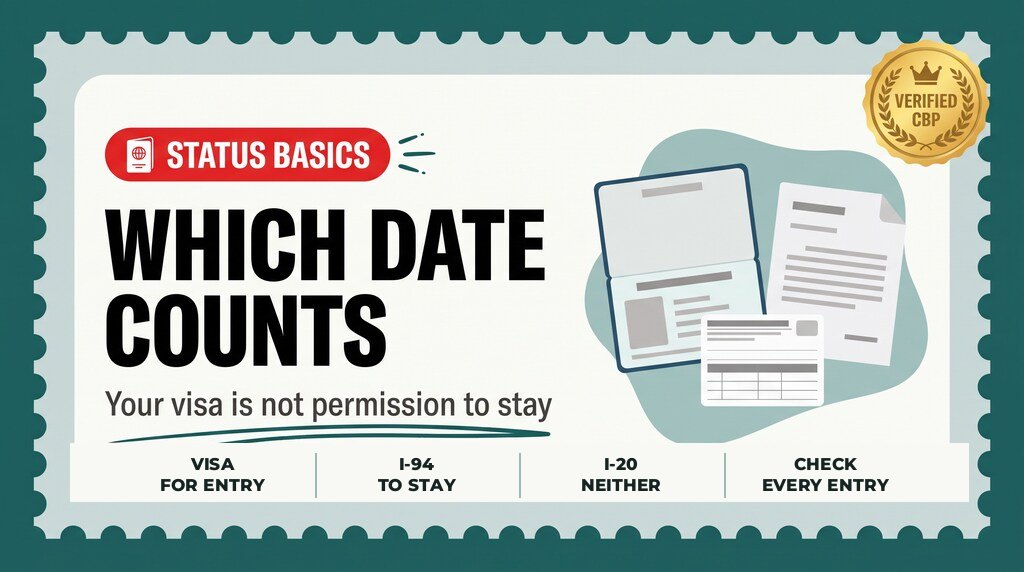
Three documents, three dates, and only one decides how long you may legally stay. An expired visa is not a status prob...
Duration of Status Is Gone: F-1 Students Now Have an Expiry Date
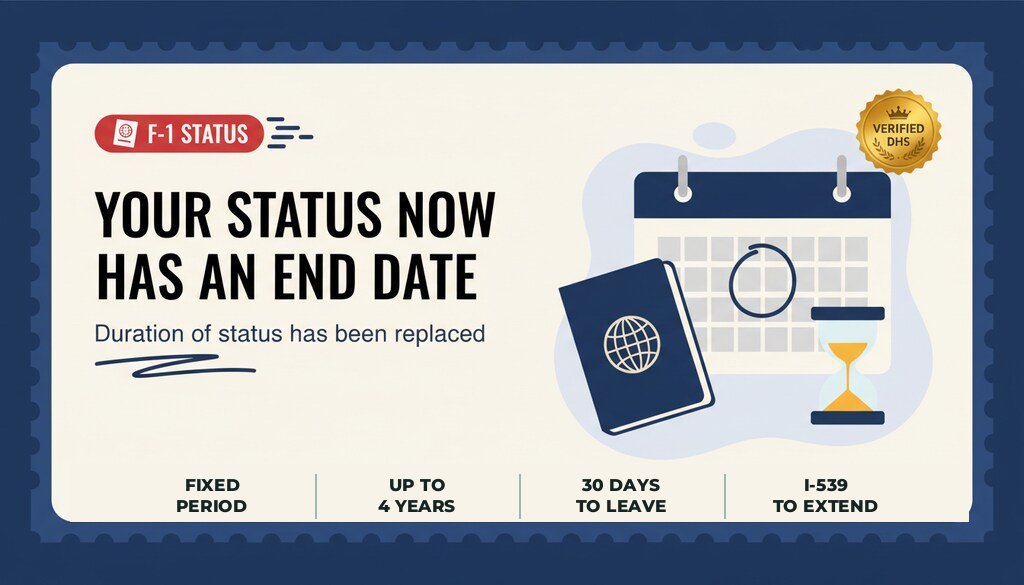
For forty years an F-1 I-94 said D/S and there was no date to miss. Now there is one, capped at four years — and the d...

EB-1: The Green Card Route With No Employer and No Labor Certification
EB-1A lets you petition for yourself: no employer, no job offer, no labor certification. It is also the hardest standa...
L-1 vs H-1B: The Transfer Route With No Lottery
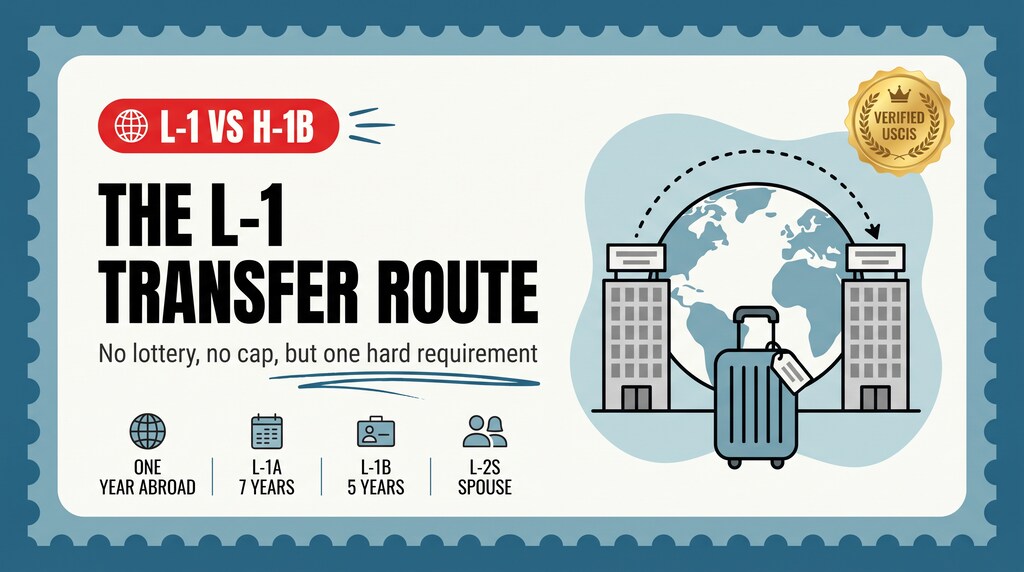
No cap, no March registration, no selection — and a spouse who can work without an EAD application. The L-1's advantag...